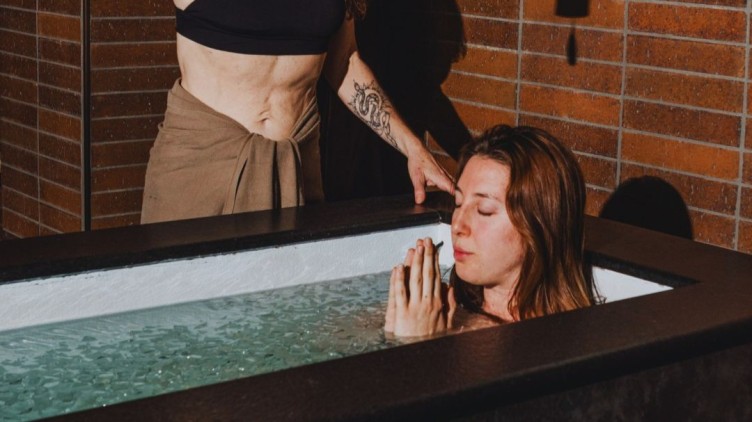
Cold exposure isn’t just a stressor—it’s an invitation. When paired with breathwork and co-regulation, it becomes one of the most powerful tools to reset the nervous system and build real, lasting resilience.
At Ice Works Bath Co, we’re witnessing a shift in how people approach cold therapy. The old model—grit your teeth and survive the plunge—is being replaced with something more sustainable and human: guided, connected, breath-led immersion. Whether you’re working with a breathwork facilitator, joining a social wellness house, or plunging with a peer, co-regulation is the thread that holds it all together.
Co-Regulation and Breathwork: The Missing Links
When you’re regulated, your breath is full and rhythmic. When you’re in fight-or-flight, it becomes shallow and rapid. One of the most immediate ways to access the parasympathetic (rest-and-digest) state is through intentional breathwork—especially when co-regulated with a calm, attuned guide.
As Dr. Stephen Porges, creator of Polyvagal Theory, explains:
“Co-regulation is a biological imperative. We are not designed to self-regulate in isolation.”
That’s why plunging with others—or being guided by a trained facilitator—isn’t just a luxury. It’s a shortcut to deeper safety and integration.
We see this firsthand in cold sessions every day. When one person holds grounded breath, others around them begin to soften. Nervous systems sync. The experience shifts from survival to transformation.
And the science backs this up.
As published in Frontiers in Psychology:
“Slow, controlled breathing has been shown to enhance vagal tone, reduce anxiety, and promote parasympathetic nervous system dominance.” (Zaccaro et al., 2018)
The Role of a Breathwork Facilitator
A trained facilitator does more than count you through inhales and exhales. They:
– Guide your body into parasympathetic recovery before, during, and after cold exposure
– Offer verbal and visual cues that model regulation
– Create a space where emotional processing is not only allowed—it’s respected
The result? Safer, deeper, and more sustainable cold practice.
Building Nervous System Literacy Through Community
Social wellness houses are making this more accessible than ever. These spaces aren’t just about recovery—they’re about relational regulation. People report better outcomes, faster stress relief, and a feeling of being seen and supported.
Ready to Start?
You can begin with your own breath. We’ve created a free Cold Plunge Protocol Guide to help you introduce structure and intention to your cold immersion—whether you’re flying solo or preparing to work with a facilitator.
Download the free guide here: IWBC Cold Tub Protocols
Because nervous system health doesn’t have to be lonely. Regulation is something we learn—together.